
How Budget 2026 reinforces India’s growth engine
The Union Budget 2026 aims to build sustainable systems and policies that reinforce India’s growth momentum and help unlock the demographic dividend of its young population.
The key features of the budget include constant focus on all round economic development, fiscal discipline, infrastructure creation and proactively meeting aspirations of citizen.
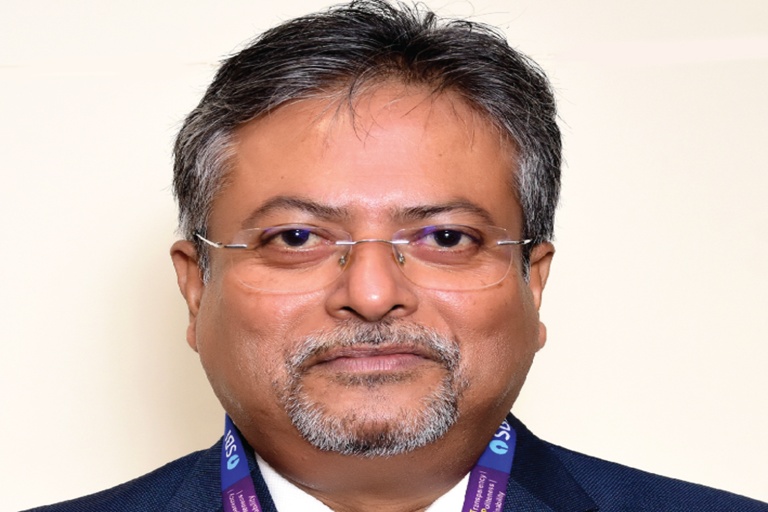
By Anindya Sunder Paul
The union budget 2026 reaffirms the commitment to reinforce the structural drivers of equitable and accelerated growth as we continue to attain the cherished dream of Viksit Bharat 2047. The key features of the budget include constant focus on all round economic development, fiscal discipline, infrastructure creation and proactively meeting aspirations of citizen with a robust and resilient financial sector at its heart as its hallmarks while putting emphasis on deregulation and removing unnecessary compliance burdens.
Manufacturing has emerged as the prime area of forward looking vision, reviving industrial sectors to sstrengthening domestic manufacturing of high value and technologically advanced Construction and infrastructure equipment, revival of 200 legacy industrial clusters and 3 dedicated chemical parks, revving rare earth research, mining, processing and manufacturing, India Semiconductor Mission (ISM) 2.0 and big steps in exciting areas like Biopharma SHAKTI bode well for India’s competitive prowess. Myriad tax reforms across direct and indirect avenues should boost the sector.
MSMEs, drivers of growth, exports and employment, already benefitting through a tirade of policy and regulatory measures in recent past have been bestowed with unconventional strategic actions, including a dedicated Rs 10,000 crore SME Growth Fund and a Top up mechanism through the Self-Reliant India Fund (2021) of Rs 2,000 crore to provide equity support.
Reforms in TReDS, blending financial obligations with commercial operations bodes well for the ecosystem as the transaction settlement mechanism for CPSEs can be the benchmark for all corporates in future, CGTMSE support further acting as a confidence builder for stakeholders. Linking GeM and TReDS as also envisaging trade receivables as asset backed securities, to develop a secondary market, should boost liquidity, lowering the cost eventually.
Skill development, medical tourism, content creation, sports and envisaging education as the lynchpin of employment and entrepreneurship should boost the services sector while high value agriculture with a push for allied activities and horticulture enhance the income potential for agripreneurs.
Targeted initiatives for large-scale enhancement of public infrastructure through instruments like InVITs, REITs and institutions like NIIF and NABFID as also proposal to set up IRGF (infrastructure Risk Guarantee Fund) to provide prudently calibrated partial credit guarantees to lenders should attract substantial investments. Private capex as sweeteners like recycling of real estate assets of CPSEs Dedicated Freight Corridors and 20 National Waterways are intertwined in the scheme of things. SASCI assistance to states has been enhanced to Rs 2 lakh crore now, boosting infrastructure creation.
Reforms under Ease of doing business and Living are focused on lowering tax rates (TCS/TDS), MAT related reforms and facilitating investments by new class of investors, moving away from penalties and mistrust to rewarding honest efforts of small classes.
On fiscal front, GoI has put in place fiscal discipline, targeting to reach a debt-to-GDP ratio of 50±1 percent by 2030, while fiscal deficit and revenue deficit are being aligned with new fiscal prudence path of debt consolidation. Tax buoyancy should get a fillip once the consumption effect takes ground firmly. Acceptance of 16th FC recommendations will also ensure fiscal discipline.
Overall, the union budget 2026 aspires to build and put in place sustainable systems and policies that are positive reinforcements of our shared commitment to usher in a golden era to reap the demographic dividends from our youth bulge and higher for longer growth impetus.
(The author is Dy Managing Director (Finance), State Bank of India. Views are personal)








1 thought on “How Budget 2026 reinforces India’s growth engine”