

Leisure travel keeps India’s hotels on growth path as corporate demand faces headwinds
India Ratings and Research (Ind-Ra) expects India’s hotel sector to sustain its structural upcycle in...
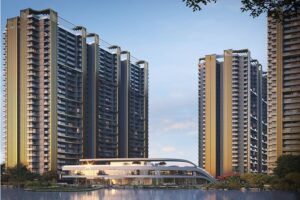
With a record 5.4 lakh homes slated for completion across India's top seven cities in 2026, developers face mounting risks from rising material costs, logistics disruptions, and supply-chain uncertainties triggered by the ongoing Middle East conflict.
The Uttar Pradesh Real Estate Regulatory Authority (UP RERA) has suggested homebuyers to purchase residential...
India is expected to contribute 14.1% of global construction growth between 2020 and 2030, driven by infrastructure expansion, urbanisation, manufacturing growth, data centres and energy investments.
Government-led capex, lower interest rates and resilient domestic demand drive fresh investments in infrastructure, capital goods, retail and select manufacturing sectors despite global trade uncertainties.
India’s decline in global market-cap rankings reflects AI-driven capital concentration in Taiwan and South Korea rather than any weakening of domestic fundamentals.
Robust growth in manufacturing, services, investment and private consumption helped India’s economy expand 7.7% in FY26, while economists expect growth to moderate to 6.4%-6.6% in FY27 amid global uncertainties, inflation concerns and monsoon-related risks.
The RBI retained the policy rate and neutral stance in its June MPC meeting, while lowering FY27 GDP growth projections to 6.6% and raising inflation forecasts to 5.1% amid geopolitical tensions, elevated energy prices and monsoon-related risks.
UP RERA says over 1.15 lakh residential and commercial units are available across Uttar Pradesh, urging buyers to rely on verified data and avoid making investment decisions based on rumours of inventory shortages or imminent price hikes.
While recoveries remain asset-class dependent, Ind-Ra expects technology adoption and servicing capabilities to play a crucial role in differentiating ARC performance.