
India’s realty sector shifts to sustainable growth mode: Ind-Ra
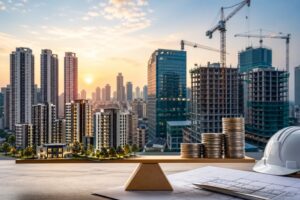
Real estate growth moderates after a strong upcycle, but structural demand and disciplined execution continue to support sector stability.
Real estate growth moderates after a strong upcycle, but structural demand and disciplined execution continue to support sector stability.
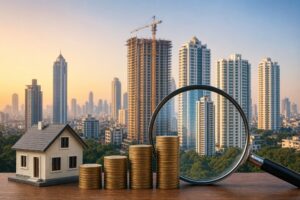
While global hotspots like Monaco, Hong Kong and Geneva remain the most expensive, the same trend is now visible in Mumbai, Delhi and Bengaluru.
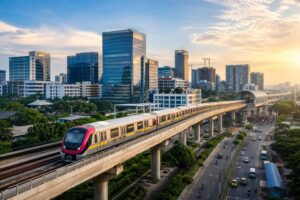
Metro expansion along the Yellow and Pink Lines is set to unlock new real estate growth corridors across Bengaluru, boosting connectivity and occupier interest.
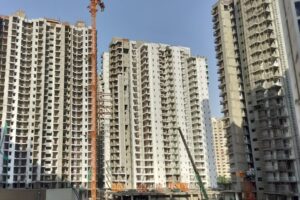
The acquisition paves the way for 400 homebuyers to receive their homes in the decade-old project and complete almost 650 units.

Office remains the anchor of institutional confidence, and domestic capital’s leadership reflects both the maturation of Indian alternative asset management and the relative friction still facing cross-border capital.

Growth Housing introduces a 1% monthly payment model that sharply lowers upfront costs for buyers at its Naigaon project in Western Mumbai. Backed by APF approvals from leading lenders, the initiative targets first-time homebuyers with flexible financing and entry-level pricing.

The number of transactions rose to 60 in FY26, the highest in seven years and up sharply from 41 deals in FY25. Average deal size, at USD 71 million, was the lowest in the same period.
At the city level, Delhi NCR drove over one-fourth of the total quarterly investments, attracting USD 0.4 billion, followed by Bengaluru with inflows of USD 0.3 billion.
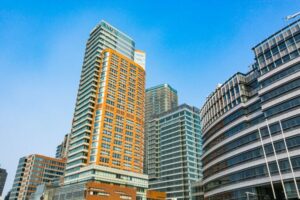
India’s office demand continues to display strong resilience, with 18.3 million sq ft of Grade A space uptake recorded across the top seven markets in Q1 2026, reflecting a 15% YoY growth.

Latest ANAROCK Research data indicates that Q1 2026 saw a 7% drop in sales across the top 7 cities against Q4 2025.